Wednesday, November 28, 2012

Change the World - Happy New Year Students!

***
Another year has finished. Congratulations to all Duke Street students and friends! Soon we can start thinking about our new year plans. But first ...


The Duke Street Collection - Best Writing 2012
ESL Access Level 2


This is a collection of writing by all of the students in the ESL Level 2 class with stories about "A Great Day Out", "Endangered Animals" , "My Suburb - Past, Present and Future" and much more!

OPINIONS: HOW CAN WE CHANGE THE WORLD? 


Download the worksheet and record opinions on SoundCloud


Click the banner or here to join us

What have we been talking about on Facebook? 


NEW YEAR PLANS ...


What are your plans for 2013?

will / plan to / hope to / going to 

Lien : I hope to visit China in Janaury

Khariya: I plan to go Western Australia for a holiday in January

Nguyen: I am going to start a new job in February packing

Huong: I am going to visit my family who live in Sydney during January

Lan : I am going to learn Chinese and Japanese cooking in Box Hill

Nghiep: My plan is to learn more English at Duke St with Dale

Hong: Next year I want to travel around the world

Thi Lang: My plan for next year is to continue learning English, after that, if I have time I will visit my family who live in Europe

Mui : Next year I plan to buy some new property and visit my niece in Britain

Hoai (Mui's husband) : I plan to stay at home and take care of the grandchildren and continue learning English

CHRISTMAS KARAOKE & LANGUAGE EXERCISES


Activities:

Grammar Quiz - The Man Who Wrote "Jingle Bells" 

Christmas Tree Matching Quiz (requires Flash Player)

Listening: Christmas is Coming! (Randall's ESL Cyber Listening Lab)


STAY SAFE OVER THE CHRISTMAS BREAK STUDENTS ... LOVE ALWAYS ... DALE


Sunday, October 7, 2012

Animals - Past, Present and Future (?)

***
Level 2 : Write an information text


Watch the video above. It was made on the Japanese island of Okinawa.

What is the animal in the video? Where does it live? What does it eat? What else do you know about it?

Exercise 1: Locating informtion & Organizing Ideas :

Download and print the information sheet about Dugongs.

Work with your teacher or a friend and describe the dugong's ...

habitat .......................................

body .........................................

diet ..........................................


behaviour.................................

Exercise 2: Computer skills (search for information, print a collector's card, send an e-card)

Look at these photos ...


What would you say about the animal above? What is its name? How would you describe its body? Where is it found? Where does it live?


Print this page to find out more and create a Collectors card 
(National Geographic)

Use the information to add to your information text

Exercise 3: Sending Information (E-Cards)

Now you know about the animal above, send an e-card to a friend. Click here

Read about another animal at the same website. Read the facts, watch the video, look at the map, print a collector's card, send a friend an e-card


Exercise 4 : Information text (2)

What do you know about this creature?
What is its name? How would you describe it? Where does it live? Describe its habitat? What do you think it eats? What else should we know about it?

Download, print and complete this exercise


WHAT ARE WE TALKING ABOUT ON FACEBOOK?

Join the 38 members of Dale Pobega's Free ESL Club on Facebook now!


Information Texts : Extinct Animals


What do you know about the Tasmanian Tiger?
What other extinct animals do you know about?
Why are these animals extinct?

Read about the Tasmanian Tiger at Simple English Wikipedia. Click here.

CATEGORIES:

*size
*weight
*appearance
*life expectancy
*diet
*location
*environment
*current numbers

Can you write a paragraph about the Tasmanian Tiger using the CATEGORIES above as well as CONJUNCTIONS (but / and / however / although, etc) to join your sentences.


ENDANGERED ANIMALS

Find out about endangered animals, why they are endangered and what we can do by watching this presentation:


OUR CLASS BOOK : ESL ENDANGERED ANIMALS

Click here to download our Simple English Wikipedia Book called "ESL Endangered Animals".

1) Download the ESL Endangered Animals book above.
2) Use the questions / categories we studied to help you write short sentences about one of the animals in the form.

3) CLICK HERE to go to the FORM


Level 1 - Read and write a simple information text

In class we read about the Yellow-Eyed Penguin from New Zealand.

Making questions from Information Words. Finish writing the questions

Height : How tall are they?

Weight: How ___________________?

Age they live to: How long __________________?

Home country: Where ______________________?

Number left: How many _______________________?

Food: What __________________?

***

Level 2 - Writing Notes : Don't Forget to Feed the Cat!


Imagine you are going on holiday for two weeks. Here are some things that need to be taken care of:

*garden
*pets
*mail and newspapers
*rubbish bin
*security


Karaoke ... The Tiger (Abba, 1976)


Enjoy this song ... from my childhood! A good way to end this unit

Sunday, September 16, 2012

Telling Stories

Assessment Task Access 1 (VPAU 494.4 - Give Simple Information)

Level 1

We have been listening to and reading stories and jokes in class this term. Telling a story in another language can be difficult. Here is the simple story telling model we used to help us.

Model

Opening Hello friends, today I'm going to tell you a story about …

Reason I chose this story because … (it is funny / sad / amazing / scary)

It is a good story to tell kids / to tell adults only / to tell anyone

Tell the story eg. A long time ago …. / … in America / Australia / Vietnam ...

Opinion I liked this story because …. / I didn't like this story much because …

Closing Thank you for listening to my story. Do you have any questions?

Remember:

*Keep your sentences short.

*Use the past simple - this is the best tense to use for telling stories.

LISTEN TO A RECOUNT

Here is Hoai's oral recount of a story we read in class (the original comes from the book, True ESL Stories)

GRAMMAR : Past Simple (in songs and stories)


Exercise Using the Past Simple : My Best Holiday

Play the video and follow the instructions ... fun!


FACEBOOK

What is our class discussing on Facebook this week? Join the 38 members of Dale Pobega's Free ESL Club Facebook Group


What do you think? Which Victorian city (apart from Melbourne) is the best? It seems most of the group like Geelong! Join us and give us your opinion.

Monday, August 20, 2012

Problems with Neighbours


GENERAL DISCUSSION

* Do you think someone should keep 130 cats in a house or flat?

* What problems would this lady have living with 130 cats in Sunshine?

* What does your local council say about pets?

What are they saying on our Facebook page (join - now - click here!) ...


READING (Level 1) - Story about a Barking Dog (Super Easy Reading for ESL)

Complete the exercises ... vocabulary / cloze / sentences 

READING (Level 2) - Problems with Barking Dogs (adapted from Brimbank City Council Info Sheet)

Download the worksheet and complete the questions / Write a dialogue between you and a neighbour about his barking dog

Listening / Speaking (Level 2) LOVE THY NEIGHBOUR ....


LEVEL 2 and 3

Remember the article we read in class, Love Your Neighbour? Sometimes it can be difficult!?

We discussed these problems:

They talk loudly.
Their babies cry all night.
They have noisy parties.
Their dogs bark.
They watch TV late at night.
They move furniture.
They play the violin.
They argue with their partner.

Speaking: Requests - Asking your neighbours to change their behaviour

Click here to go to VOXOPOP.

Use the situations above. Practise kindly asking your neighbours to change their behaviour.

eg. "Could you please turn down the TV? It's late. I have to get up early.
eg. "Would you please stop moving your furniture. My kids can't sleep.

***


Level 1 and 2: Watch the video. What can we do to clean up this house? Finish the sentences ...

Empty ___ ________.

_____ up the bedroom.

Scrub the ______ bowl.

Get ___ __ the Kittens.

___ away the things in the kitchen.

Throw ___ the old computers.

_____ the bath!

(Call in the health inspectors?)


Level 3 : Watch this video. How do you feel about this messy house? Who does the owner blame for most of the mess? Do you think Cary's problems are funny or serious?


Speaking Exercise : Giving Opinions

Here are some opinions by others who watched the video:

"it is the parents responsibility to keep a safe enviroment for the kids and set a good example."

"lots of people have kids and thier homes are nothing close to this. I'm surprise she still has her kids."

"How dare you say her kids should be taken away from her! ... some people just need help in their lives, and a gentle push in the right direction. Depression is a sad thing to live with it can destroy families. She obviously got so low she stopped functioning properly."

Do you agree with these opinions? Do you feel sorry for Cary? What would you do to help her? Where would you start?

Phone in your answers to ipadio.com - use the 1800 number and codes I gave you in class.

***


WRITING (Level 2/3)

Last week we used the worksheet to help us write about two silent films. This time let's use the same worksheet to help us write about a short film made by some high school students from the USA? It is called "The Boy Who Cried Wolf". Do you already know the story? It is based on a fable by the ancient Roman writer, Aesop.

Download the Reading worksheet


VIDEO / READING (Level 2) : Information Text : How Silk is Made


CLICK HERE TO WATCH THE VIDEO

This week we are writing about HOW THINGS ARE MADE. In class last week you studied How Tea is Produced and Distributed. You also know about How Bananas are Produced and Shipped to Europe and America.

Watch the video above about HOW SILK IS MADE in Bangladesh.

Complete the following exericse:

Instructions:

(i) Put the steps in the correct order
(ii)Change the sentences from ACTIVE voice to PASSIVE voice


A) The women immerse the coccoons in boiling water. The silk worm inside the coccoon dies.

B) The women collect and sort huge piles of golden silk worm coccoons

C) The women wind the raw, silk thread onto a spindle. They dry it and then ship it to a textile factory

D) After boiling, the women cool the coccoons and take them to a loom. They unravel the coccoons onto the spool.

TO READ THE SCRIPT (& FIND THE ANSWERS) CLICK HERE

Wednesday, August 8, 2012

Silent Film Festival

Silent Films (Level 2 VPAU 500.4)

Today in class (level 2) we watched this silent film.

Where is it filmed? Who are the characters? What happens : how does it start? what happens in the middle of the film? how does it end? Does the film have a message, meaning or lesson to teach us? Did you enjoy it or didn't you like it - why?

Exercise 1 : Ask yourself these questions as you watch the film again. Can you answer the questions?

Download the Silent Film Reading worksheet to see Dale's notes. 


Exercise 2 :  Here is a link to many other short, silent films on YouTube.

Use the worksheet to take notes on another silent film. Use Dale's notes as a model.

Bring your notes to class to share and show your teacher. We will write a review together.

Can't find a film? Try taking notes and writing about this short, silent film ...


Listening : Making A Film (Level 2 494.3)


Jeff and his brother made a film about their journey across India in a motor-rickshaw.

Listen to his story. Complete the vocab and comprehension quizzes.

Watch the film and read more about Jeff's journey across India in a motor rickshaw here!

Grammar : Passive or Active Voice?

We have been studying Passive and Active voice in our lessons recently. When do we mostly use passive? What is more important - the subject of the action or the object of the action?

Try this exercise.

Still confused? Watch this lesson ...


Level 1 (494.1) : Happy Birthday Mr. Duncan


Writing (495.2) : Leave Mr Duncan a happy birthday message on his You.Tube channel or Facebook page.

... Or write him a birthday card - Print a birthday card from here

Facebook - Join "Dale Pobega's Free ESL Club"

What are we talking about on Facebook this week? Take a look ...


Reading: Where were kites invented?

We read a story in class about the invention of paper. Read this story about where kites were invented. Note down examples of passive voice.


Sunday, July 29, 2012

Notes, Messages, Accidents & Dangers


Assessment Task 494.3 Interpret Simple Oral Texts

LEVEL 1 :  Listening


TAKING NOTES

Listen to the phone discussion. CLICK HERE.

1. Take notes from the conversation you hear ...

HOSPITAL:

FLOOR:

ROOM:

VISITING HOURS:


What happened?


Is he alright? Yes / No


If yes, how do you know?


What was he wearing?


LEVEL 1 : Reading

Read this note and answer the questions:


11.15 am

Fred

Grandma is in hospital. Don't worry, it's not serious. I'm going there now. She is in the Queen Victoria Hospital in Carlton. She is on the 4th floor in Room 409.

See you there.

Susan

P.S I've taken the car


Who wrote the note?
Who is the note for?
What is the message?
What time was it written?
What does he remember at the last moment?

LEVEL 1 : Speaking

A FRIEND OF YOURS HAS HAD AN ACCIDENT.

WITH A FRIEND WRITE A DIALOGUE.
 RECORD IT HERE AT VOXOPOP.COM

Use the listening text script of the conversation above as to help you ...

CLICK HERE TO READ AND PRINT SCRIPT OF THE CONVERSATION


LEVEL 2 (Information Texts): Dangerous Sports : Taking risks
The Olympics are on in London. Do you think this is a good sport for the next Olympics?


Watch the video above to get an idea about the "exciting" new sport of Free Running
(also known by its French name, Le Parkour)


Boxing / Skydiving / Karate / Footy / Diving / Free Running (Le Parkour)...

We talked about these sports in class.

1. Which sport is the most dangerous? Why?
2. Which sport is the least dangerous? Why?
3. Is Boxing more or less dangerous than Free Running? Why?


Now ask your friend what she thinks? Use REPORTED SPEECH and tell me your answers:

eg. Teresa said Boxing was the most dangerous sport because people get brain damage.

Grammar Exercise : Reported Speech (Click here and complete)

LISTENING / READING / WRITING - LEVEL 2

DANGEROUS ANIMALS

Which animals are dangerous in your country? In Australia we have sharks and crocodiles, snakes and spiders --- but are they really dangerous?

CLICK HERE to hear from Jingwei and Joseph from Singapore.

Which animals do they think are dangerous? Note: Click VIDEO QUIZ on the right hand side ofthe page to complete the listening exercise when you have finished listening to Jingwei and Joseph.


READING ... Are Sharks Really Dangerous? 


(Download the worksheet and questions here)

The Tasmanian Tiger (Thylacine)

Here is video of the last Thylacine, an animal, which was hunted into extinction Fold / Write / Check Dictation

Download the dictation about Thylacine (ask your teacher or a friend to read it out, then check your answers)


 HOW COFFEE IS PRODUCED (Level 2)


1. Watch the video

2. Take simple notes

3. Work with a friend - Can you write the procedure using Passive Voice?


Tuesday, June 19, 2012

Learning Journeys

This week we review our Learning Journeys in English.

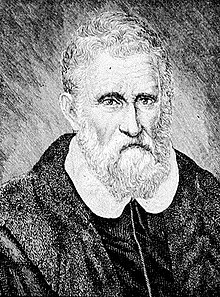
Marco Polo was a famous explorer. He went places no European had gone before. Going to new place or learning new things can be like Marco's journey. Everything is new, exciting, scary.

What dangers do you think Marco imagined? What new things did he see and learn about?

Here is the "fold and do" dictation about Marco Polo.

Here is the story (with questions) about Marco Polo.

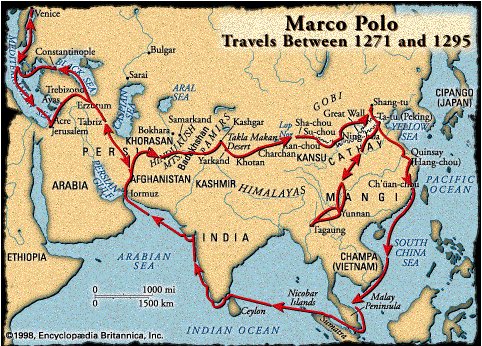
Here is a map of Marco's journey. 


Look at a modern atlas and list the countries Marco travelled through


Other Students' Learning Journeys

Read about the learning journeys of other students studying at PRACE, a community learning centre in Preston.

Leave a message of encouragement for one of the students you read about.

Take some notes about one of the students. Share with a friend. Which learning journey story did you like the most?

Individual Learning Plan and Portfolio Work (VBQU 117 / VPAU 500)

Use your portfolio for this term to complete the learning review worksheet for this term.

Which week did you like the most? Which week did you like the least? Did you learn something new? What do you need to study more?